ADVERTISEMENT
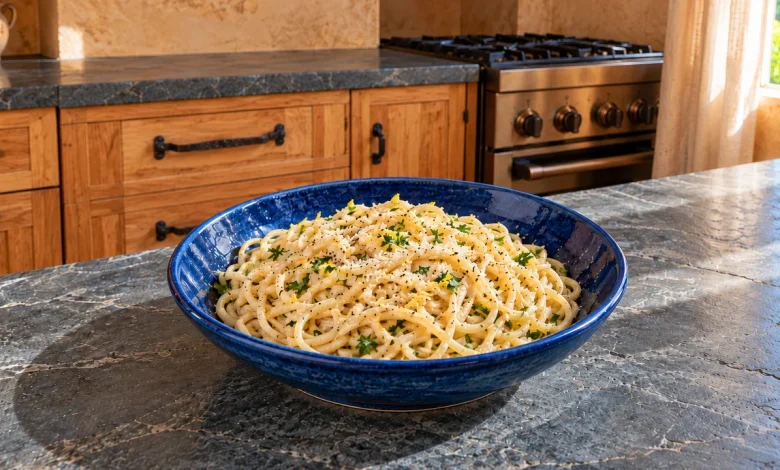
This creamy lemon pasta is spaghetti or linguine in a light, silky sauce of butter, garlic, cream, Parmesan and plenty of lemon zest, loosened with starchy pasta water and finished with fresh lemon juice. The sauce coats each strand thinly instead of sitting in a puddle, so it tastes bright rather than heavy.
The sauce itself takes about the time the pasta needs to cook. Counting the time to bring a big pot of water to a boil, plan on about 30 minutes from turning on the stove to sitting down.
How Long It Really Takes
Versions of this recipe are often sold as 20-minute pasta, and the hands-on part is close to that. What gets left out is the water: 4 to 5 quarts takes 10 to 12 minutes to boil on most home burners. Here is the honest breakdown:
- Water to a boil: 10 to 12 minutes. Zest the lemon, grate the cheese and mince the garlic meanwhile.
- Pasta: 9 to 11 minutes for most dried spaghetti or linguine. The sauce is made in this window.
- Tossing and finishing: 2 to 3 minutes.
That adds up to about 5 minutes of prep and 25 minutes of cooking, or 30 minutes total.
ADVERTISEMENT
Ingredients and What Each One Does
Pasta: 12 ounces of spaghetti or linguine. Long strands catch the thin sauce best. Cook them a minute short of the package time, since they finish in the skillet.
Butter and garlic: Three tablespoons of unsalted butter and three cloves of garlic, cooked gently so the garlic turns soft and fragrant but not brown. Browned garlic tastes bitter against the cream.
Heavy cream: Three-quarters of a cup is enough to make the sauce silky without turning it into Alfredo. Heavy cream also holds up to the lemon juice without curdling.
Parmesan: Three-quarters of a cup, grated fresh from a block on the small holes of a box grater or a rasp. Pre-grated cheese in a tub contains anti-caking powder that keeps it from melting smoothly and is the most common cause of a grainy sauce.
Lemon: The zest of one large lemon goes into the cream so its oils flavor the sauce, and 2 tablespoons of juice go in at the very end, off the heat. Add up to another tablespoon of juice if you want it sharper.
ADVERTISEMENT
Pasta water: Scoop out a full cup before draining. Its starch binds the butter, cream and cheese into one smooth coating and lets you thin the sauce without diluting the flavor. Most batches use about 3/4 cup.
Making Creamy Lemon Pasta
Cook the garlic in butter
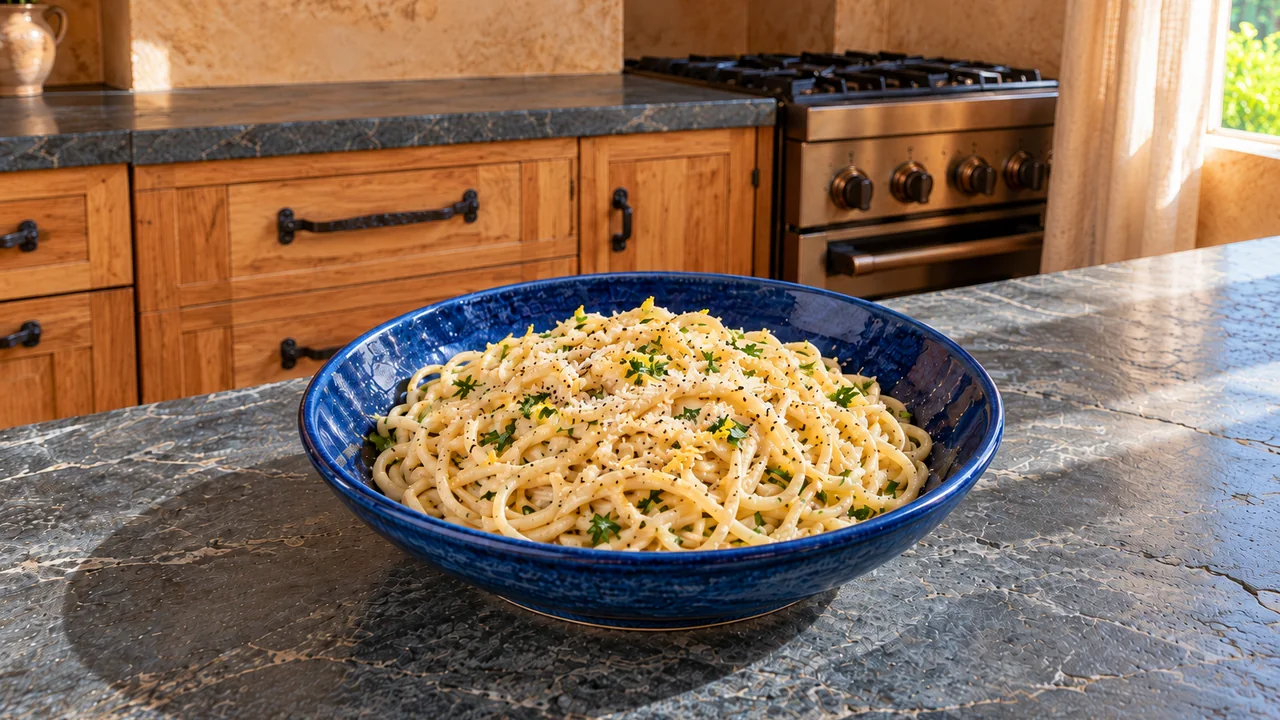
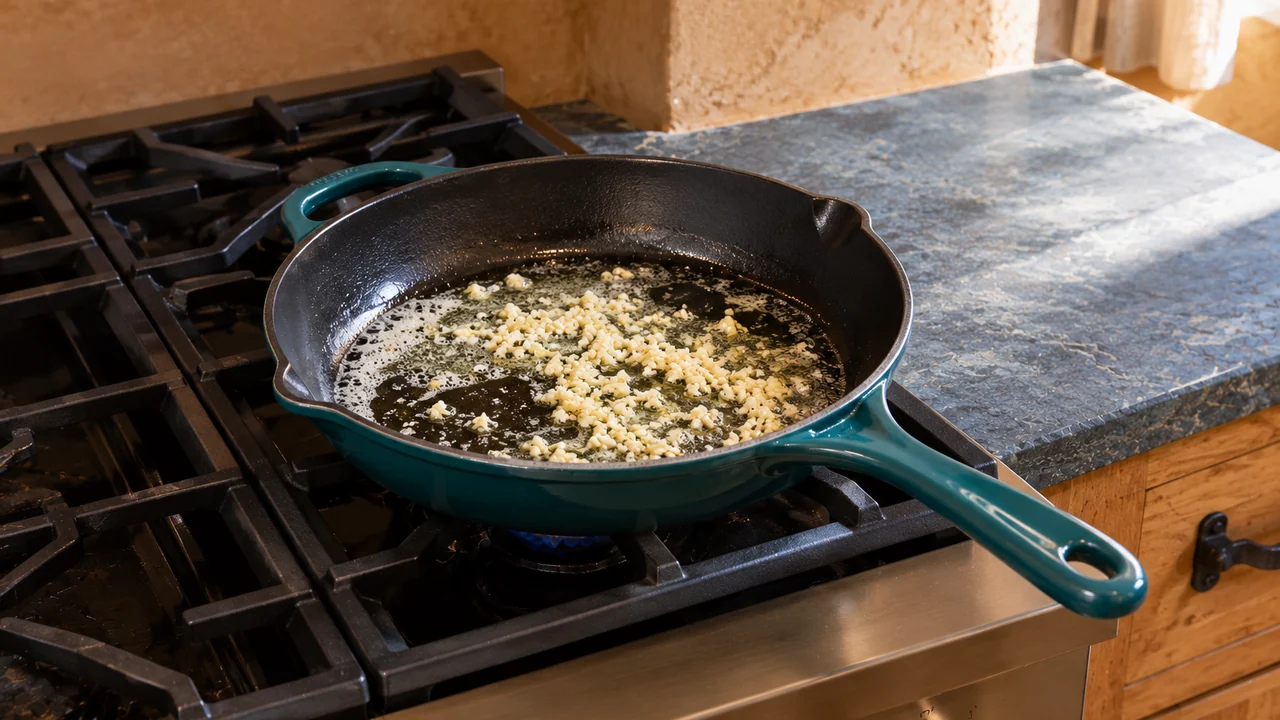
While the pasta cooks, melt the butter in a 12-inch skillet over medium-low heat. Add the garlic and cook, stirring, about 1 minute, until it smells sweet and looks soft. Pull the pan off the heat for a moment if the garlic starts to color.
Simmer the cream and melt in the Parmesan
Pour in the cream and add the lemon zest, pepper and salt. Bring it to a gentle simmer and cook 2 to 3 minutes, until it thickens slightly. Turn the heat to low and add the Parmesan a handful at a time, stirring each addition until it melts before adding the next. Keep it below a simmer from here on; boiling cheese tightens and turns grainy.
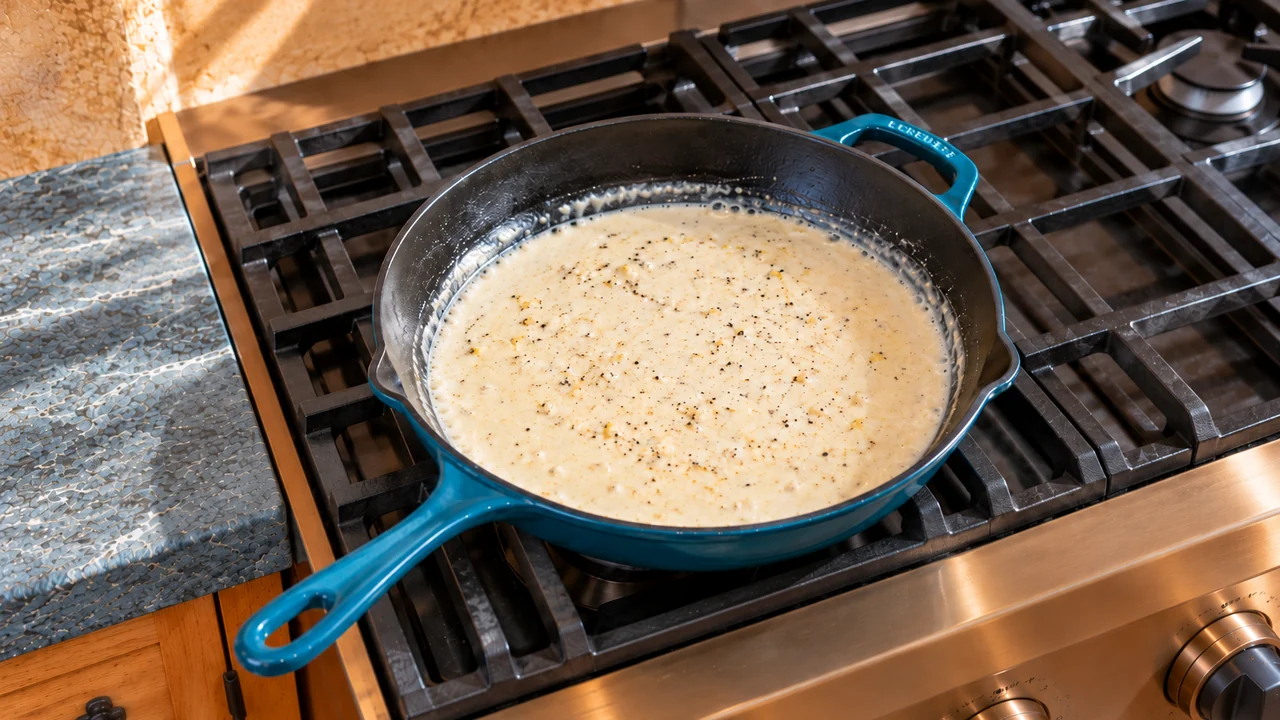
Toss with the pasta and lemon juice
Transfer the drained pasta to the skillet with tongs, add 1/4 cup of the reserved water and toss for about a minute until the strands are coated. Add more water a splash at a time until the sauce clings in a thin, glossy layer with nothing pooling in the pan. Take the skillet off the heat and toss in the lemon juice. Taste before adding any more salt, then scatter on the parsley.
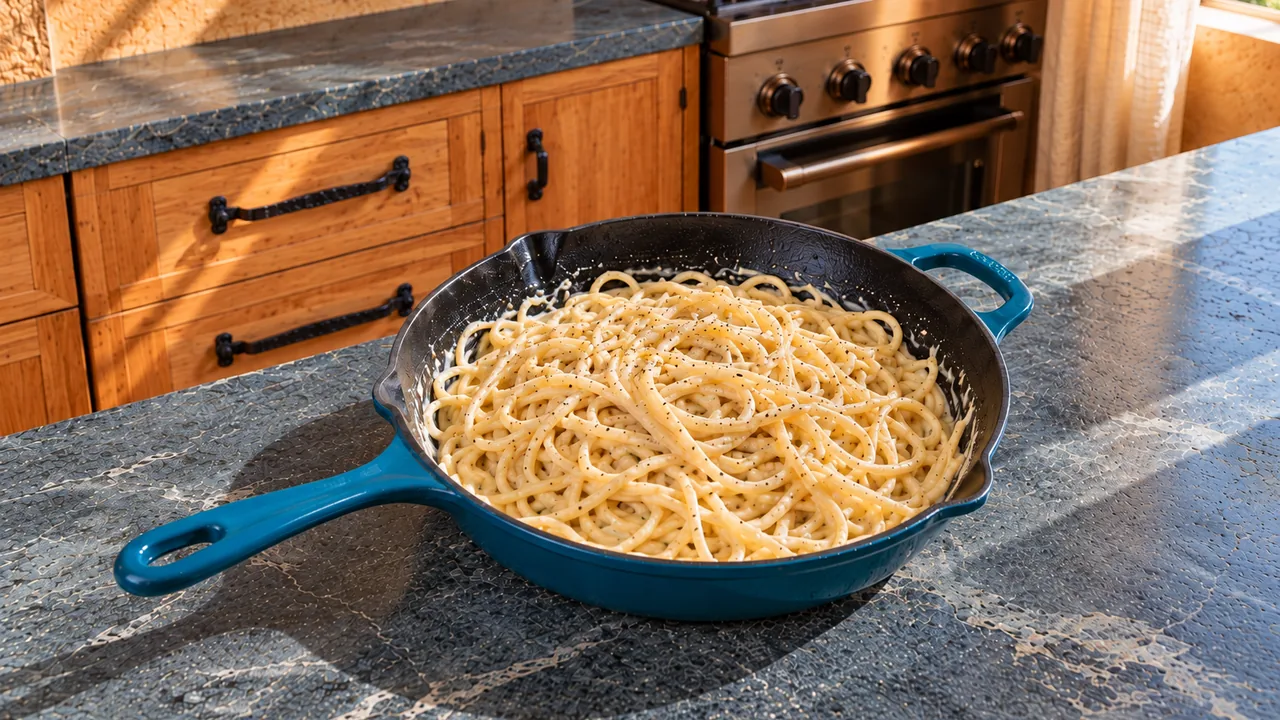
Serve right away, with a little extra Parmesan if you like. The sauce thickens as it cools, so if it tightens before everyone sits down, toss in another spoonful of pasta water.
ADVERTISEMENT
Salt: Go Easy
Parmesan is salty, and so is the pasta water you add to the sauce. Salt the pasta water lightly, about 1 1/2 teaspoons per 4 quarts, rather than heavily. The 1/4 teaspoon of salt in the sauce is a starting point; taste after the lemon goes in and adjust only then.
Troubleshooting
- Grainy or clumpy sauce: The heat was too high when the cheese went in, or the cheese was pre-grated. Take the pan off the heat, add a splash of hot pasta water and stir hard; it often smooths out.
- Sauce too thin or pooling: Toss over low heat for another 30 seconds so the starch tightens it. Let it sit a minute before serving.
- Sauce too thick or sticky: Add pasta water a tablespoon at a time while tossing.
- Not lemony enough: Add more juice off the heat, a teaspoon at a time. More zest adds aroma without extra sourness.
- Bitter: The garlic browned, or some white pith came off with the zest. Zest only the yellow layer.
Substitutions
- Pasta shape: Fettuccine or bucatini work the same way. Short shapes hold less of this thin sauce.
- Parmesan: Pecorino Romano works but is saltier; skip the 1/4 teaspoon of salt.
- Heavy cream: Half-and-half makes a thinner sauce that is more likely to separate when the lemon goes in. Heavy cream is the reliable choice here.
Storage and Reheating
- Refrigerate: Refrigerate within 2 hours in a covered container for up to 3 days. The pasta absorbs the sauce as it sits.
- Reheat: Warm gently in a skillet over low heat with a few tablespoons of water, tossing until the sauce loosens, or microwave in short bursts, stirring between each.
- Freeze: Not recommended. Cream and cheese sauces turn grainy after thawing.
More Pasta Dinners
For another light, fast pasta, try our angel hair tomato pasta. If you want seafood with your lemon and garlic, the shrimp scampi with angel hair is a good match. When you want a richer cream sauce, make the chicken Alfredo, or browse the rest of our dinner recipes.
Creamy Lemon Pasta Questions
Will the lemon curdle the cream? Not with heavy cream and the pan off the heat. Its high fat content keeps it stable, and adding the juice last keeps the flavor fresh.
Can I add chicken or shrimp? Yes, cook them separately and toss them in at the end. Leftover roast chicken works well.
How is this different from Alfredo? Alfredo is built on more cheese and cream and has no acid. This lemon Parmesan pasta uses less cream, depends on pasta water for body and has a clear lemon flavor.
ADVERTISEMENT
Can I make it ahead? It is best fresh. You can zest, grate and mince up to a day ahead and keep everything covered in the refrigerator.
Recipe Card
Creamy Lemon Pasta with Parmesan
Spaghetti or linguine tossed in a silky sauce of butter, garlic, heavy cream, freshly grated Parmesan and lemon zest, loosened with starchy pasta water and finished with lemon juice off the heat.
Prep: 5 minutes | Cook: 25 minutes (including boiling the water) | Total: 30 minutes | Yield: 4 servings | Category: Dinner | Cuisine: American
Equipment: Large pot, 12-inch skillet, tongs, rasp or box grater, liquid measuring cup
Ingredients
- 12 ounces spaghetti or linguine
- 3 tablespoons unsalted butter
- 3 garlic cloves, minced
- 3/4 cup heavy cream
- 3/4 cup (about 2 ounces) freshly grated Parmesan, plus more to serve (optional)
- Zest of 1 large lemon
- 2 tablespoons fresh lemon juice, plus up to 1 tablespoon more to taste
- 1/2 teaspoon black pepper
- 1/4 teaspoon salt, plus more to taste
- 1/4 cup chopped fresh parsley
- 1 cup reserved pasta water (about 3/4 cup used)
Instructions
- Cook the pasta: Bring a large pot of lightly salted water to a boil. Cook the pasta 1 minute short of the package time. Reserve 1 cup of the cooking water, then drain.
- Garlic: Meanwhile, melt the butter in a 12-inch skillet over medium-low heat. Cook the garlic, stirring, about 1 minute, without browning.
- Cream: Add the cream, lemon zest, pepper and salt. Simmer gently 2 to 3 minutes until slightly thickened.
- Parmesan: Reduce the heat to low. Add the Parmesan a handful at a time, stirring until each addition melts. Do not let it boil.
- Toss: Add the pasta and 1/4 cup of pasta water. Toss about 1 minute, adding more water a splash at a time until the sauce clings with nothing pooling.
- Lemon: Remove from the heat and toss in the lemon juice. Taste and adjust salt and lemon.
- Serve: Toss in the parsley and serve right away, with extra Parmesan if you like. Loosen with pasta water if it thickens.
Notes
- Grate the Parmesan from a block; pre-grated cheese can make the sauce grainy.
- Add the lemon juice off the heat so the flavor stays fresh.
- Parmesan and pasta water are both salty; taste before adding more salt.
Storage
- Refrigerate within 2 hours, covered, for up to 3 days.
- Reheat gently with a few tablespoons of water, tossing until loose.
- Freezing is not recommended.